
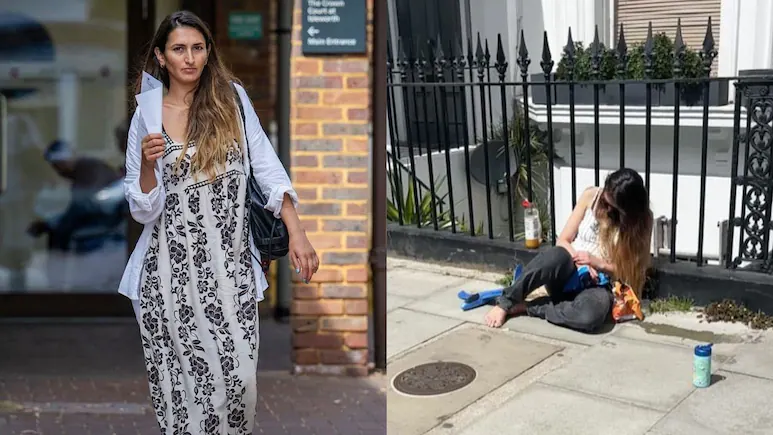
A member of Abu Dhabi’s royal family, Mahrah Al Nahyan, has admitted to child neglect after being found unconscious on a West London street .
UAE Royal’s London Incident Raises Serious Concerns
UAE royal cocaine binge London : A court case involving Mahrah Al Nahyan, a 32-year-old woman connected to Abu Dhabi’s ruling family through marriage, has attracted international attention after details emerged about an incident on a West London street in June 2026. According to British media reports, Al Nahyan was found unconscious in a public area following cocaine use in the preceding days, while a young child under her care was left unattended nearby.
The incident came to light during proceedings at Southwark Crown Court in London, where Al Nahyan admitted one charge of child neglect. The case has prompted renewed discussion about the responsibilities of caregivers, the dangers associated with substance misuse and the importance of protecting vulnerable children in public spaces.
The circumstances described in court were particularly concerning because the child was reportedly barefoot and playing close to moving traffic. Members of the public intervened after noticing that the child was unattended, helping ensure the youngster’s safety until the authorities arrived.
What Happened on the West London Street?
According to reports of the court proceedings, the incident took place on June 13, 2026. Al Nahyan was discovered slumped against railings on a street in West London, with an unconscious man lying nearby. A three-year-old child was reportedly playing in the vicinity without shoes and close to a busy road.
Witnesses became concerned when they noticed that the child was not being supervised by an alert adult. Passers-by stepped in to look after the youngster and contacted the authorities.
Court proceedings reportedly heard that Al Nahyan remained unresponsive for approximately 30 minutes. Her condition raised concerns among those present, while the unattended child faced potential dangers from nearby traffic and other hazards associated with being alone in a busy public area.
The intervention of members of the public proved significant. Without their assistance, the child could have wandered into traffic, become lost or faced other risks before the authorities could establish what had happened.
The episode demonstrates how quickly an ordinary public setting can become dangerous when a young child is left without adequate supervision. It also highlights the importance of bystander intervention when vulnerable people appear to be at immediate risk.
Court Hears Details of Cocaine Use
The reported circumstances surrounding Al Nahyan’s condition became a central part of the legal proceedings. According to British news coverage, the court heard that she had taken cocaine in the days leading up to the incident.
Her defence argued that she had not taken drugs on the day she was found but was extremely tired following her earlier drug use. Police reportedly discovered drug-related paraphernalia among her belongings, although no illegal substances were found during the search.
This distinction is important when describing the case. The court reports linked the incident to earlier cocaine use, but the defence disputed that she had consumed drugs on the day of the discovery.
The case nevertheless raised serious questions about whether someone experiencing the effects of substance use or exhaustion can safely supervise a young child. Caregivers are responsible for ensuring that children receive continuous and appropriate supervision, particularly in environments where traffic and other hazards are present.
The incident also illustrates why substance-related problems should be treated as both a public-health concern and, where relevant, a matter of legal responsibility.
Child Neglect Charge and Court Sentence
Al Nahyan admitted one charge of child neglect at Southwark Crown Court, according to published reports. The proceedings focused on the danger the child faced while she was unable to provide appropriate supervision.
The judge reportedly stressed the seriousness of the situation, noting that the child could have suffered significant harm if members of the public had not intervened. A young child may not understand the dangers posed by moving vehicles or be capable of recognising when they have wandered into an unsafe area.
Al Nahyan received a two-year community order that included a rehabilitation requirement. Reports also stated that she was fined £6,114, including prosecution costs.
The sentence reflects the court’s consideration of the circumstances of the offence and the risks posed to the child. It also places rehabilitation among the measures intended to address the wider issues involved in the case.
A community order differs from an immediate custodial sentence. Depending on its terms, it can require an individual to comply with specific conditions, attend rehabilitation or undertake other court-mandated measures.
The case highlights how courts may consider both accountability for the offence and steps intended to reduce the likelihood of further harm.
Drug Addiction and the Importance of Rehabilitation
Beyond the immediate legal consequences, the case has brought attention to the challenges associated with substance addiction and recovery. According to reports presented during the proceedings, Al Nahyan had been receiving treatment at the Priory clinic in Woking, Surrey, since the incident.
Her defence reportedly told the court that she had expressed remorse and intended to continue treatment after completing a three-month programme. Plans for further support, including attendance at Narcotics Anonymous, were also described in media coverage.
Addiction can affect decision-making, daily functioning and a person’s ability to fulfil important responsibilities. Cocaine is a powerful stimulant that can increase heart rate and blood pressure and may contribute to anxiety, agitation, sleep disruption and other serious health complications. Repeated use can also lead to dependence and difficulties controlling consumption.
However, addiction does not remove the need to protect children from foreseeable harm. Where a person is responsible for a young child, appropriate support, supervision arrangements and treatment can be essential to reducing risks.
Professional treatment may involve medical assessment, psychological support, structured rehabilitation and continuing care. Recovery can be a lengthy process, and ongoing support may help individuals address the underlying factors contributing to substance misuse.
The case underscores the importance of taking addiction seriously while maintaining clear safeguards for children and other vulnerable people.
Why Child Supervision Matters in Public Spaces
Young children rely heavily on adults to recognise dangers and make decisions that protect their safety. Roads, pavements, public transport areas and crowded streets can pose significant risks when children are left unsupervised.
A three-year-old child may be curious and mobile but generally lacks the judgement required to assess traffic hazards independently. Even a brief lapse in supervision can have serious consequences if a child wanders into the path of a vehicle or moves away from a safe area.
The London incident illustrates the role that ordinary members of the public can play in protecting vulnerable individuals. Witnesses who notice an unattended child or an apparently unconscious adult can help by contacting emergency services and staying nearby when it is safe to do so.
At the same time, responsibility for child welfare cannot depend solely on strangers stepping in during emergencies. Families, caregivers and relevant authorities all have roles in ensuring that children are supervised by adults who are able to care for them safely.
The legal case serves as a reminder that child neglect can have consequences even when the child does not suffer a physical injury. The risks created by a lack of supervision may themselves be central to assessing the seriousness of a situation.
Public Attention and the Responsibilities of Prominent Families
The involvement of a person connected to Abu Dhabi’s ruling family has added an international dimension to the story. Public figures and members of prominent families often attract considerable attention when legal proceedings reveal details about their private lives.
However, the central issue in this case is not simply the individual’s family connections or social position. It is the reported failure to provide appropriate care to a young child and the court’s assessment of the resulting danger.
Legal proceedings involving prominent individuals can also prompt broader questions about accountability. The principles of child protection and legal responsibility apply regardless of a person’s wealth, background or social standing.
At the same time, responsible reporting requires a distinction between established court findings and speculation about a person’s private circumstances. The available reporting identifies Al Nahyan as connected to the Emirati royal family through marriage; that relationship should not be confused with an official position within the UAE government.
The case should therefore be understood primarily through the facts presented in court, the charge admitted and the sentence imposed, rather than assumptions about the wider royal family.
A Wider Conversation About Substance Misuse and Personal Responsibility
The incident has also contributed to a wider discussion about how substance misuse can affect personal responsibilities and public safety. Drug addiction is often associated with significant health and social challenges, but the consequences can extend beyond the individual when children or other vulnerable people depend on them.
Families and communities may play an important role in identifying problems and encouraging people to seek professional assistance. Access to appropriate treatment, continued support and early intervention can help address substance-related difficulties before they lead to more serious consequences.
Nevertheless, rehabilitation and accountability serve different but complementary purposes. Treatment can help an individual work towards recovery, while legal measures can recognise harm or risk created by specific actions.
In cases involving children, safeguarding must remain a priority throughout the process. Where a caregiver is unable to provide safe supervision, suitable alternative arrangements may be necessary to ensure that the child’s immediate and longer-term needs are met.
The London case brings these issues together, illustrating how a single incident can involve criminal responsibility, public intervention, child welfare and the challenges of addiction recovery.
What Happens Next?
Following the court proceedings, attention will remain on Al Nahyan’s compliance with the community order and rehabilitation requirements, as well as her reported plans to continue receiving support.
The sentence places obligations on her, while the case also highlights the importance of ensuring that the child involved is safe and appropriately cared for. Any further developments should be assessed through reliable reporting and official information rather than speculation.
For the wider public, the incident is a reminder that emergencies involving unconscious adults and unattended children require a prompt and careful response. Members of the public who encounter similar situations should contact local emergency services and prioritise the safety of any child involved.
Conclusion
The case involving Mahrah Al Nahyan has drawn international attention after she was found unconscious on a West London street while a three-year-old child in her care was reportedly left unattended near traffic. Her admission to child neglect, the court’s concerns about the danger faced by the child and the resulting community order have placed the incident at the centre of discussions about child safety, substance misuse and legal accountability.
Although rehabilitation remains an important part of addressing addiction, the case reinforces a fundamental principle: the safety and welfare of children must come first. It also demonstrates the value of public intervention when vulnerable individuals are at risk and the importance of combining appropriate legal consequences with access to treatment and continuing support.
As further attention focuses on the case, verified court information will remain essential to understanding the circumstances and their wider implications.
To read more such news kindly visit : GulfTimes