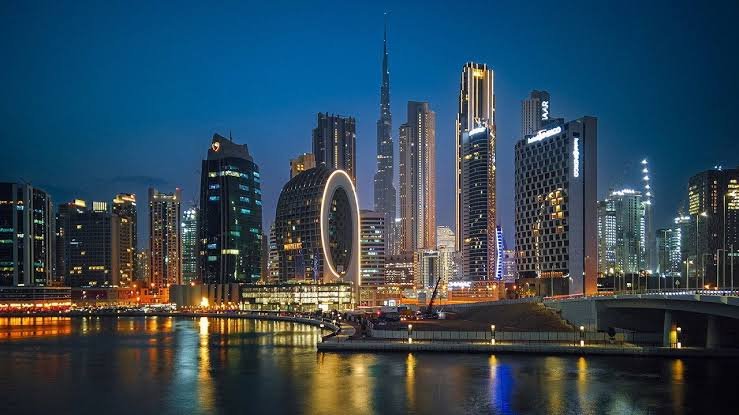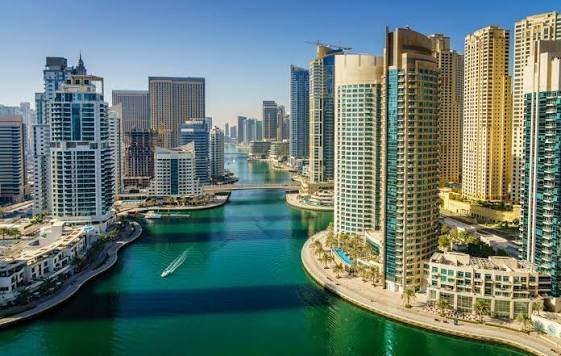
Dubai will host the 12th World Green Economy Summit on October 21–22, 2026, bringing global leaders together to discuss clean energy, sustainable finance, water and food security, and scalable solutions for a greener economy.
Dubai’s Green Economy Push: What the World Green Economy Summit Will Focus On
Dubai is preparing to host the 12th World Green Economy Summit (WGES) on October 21–22, 2026, at the Dubai World Trade Centre. Organised by the Dubai Supreme Council of Energy, Dubai Electricity and Water Authority (DEWA), and the World Green Economy Organization (WGEO), the summit will bring together government representatives, business leaders, investors and sustainability experts to discuss practical solutions for a greener global economy.
Held under the theme “From Success to Scale: Showcasing the Green Economy,” the summit will focus on expanding successful sustainability initiatives and turning environmental commitments into practical action. The discussions will explore how countries and businesses can support economic growth while reducing environmental impacts and strengthening long-term resilience.
What Is the World Green Economy Summit 2026 About?
The World Green Economy Summit is an international platform for sharing ideas, developing partnerships and exploring solutions to environmental and economic challenges. Its 2026 edition aims to highlight how existing green technologies, business models and financing mechanisms can be implemented on a larger scale.
Rather than focusing only on sustainability targets, the summit will examine how successful initiatives can be expanded across industries and markets. Key discussions will cover clean energy infrastructure, sustainable business strategies, water and food security, and green finance.
According to DEWA, the summit will focus on four main thematic pillars, supported by cross-cutting themes such as artificial intelligence, governance, supply chains and the circular economy.
1. Clean Energy and Sustainable Infrastructure
Energy technology and infrastructure will be among the central topics at the World Green Economy Summit 2026. As electricity demand grows due to industrial development, digitalisation and expanding AI infrastructure, countries face the challenge of providing reliable energy while reducing carbon emissions.
Discussions will explore the expansion of renewable energy, energy storage solutions and technologies that support a lower-carbon economy. The summit will also examine the potential role of green hydrogen and nuclear energy in diversifying energy systems.
For the UAE, these discussions are particularly relevant as the country continues to develop its energy infrastructure and pursue its long-term sustainability objectives. Expanding clean energy capacity while maintaining reliable and affordable electricity supplies will remain an important consideration for businesses, policymakers and infrastructure developers.
2. How Businesses Can Benefit From the Green Economy
The transition to a green economy is also creating new opportunities for businesses. Companies are increasingly considering energy efficiency, resource management, sustainable production and environmental performance as part of their long-term strategies.
The summit’s Business Strategy and Transition pillar will examine how organisations can integrate sustainability into their operations and business models. Topics will include circular business practices, green skills, changing trade policies and regulations related to carbon emissions.
For businesses operating in the UAE, these developments could influence investment decisions, supply chains and competitiveness in international markets. Companies that improve resource efficiency and adapt to evolving environmental requirements may be better prepared for future market expectations.
The discussions will also explore how businesses can move beyond treating sustainability as a compliance requirement and instead incorporate it into planning, innovation and long-term growth.
3. Water and Food Security Remain Key Priorities
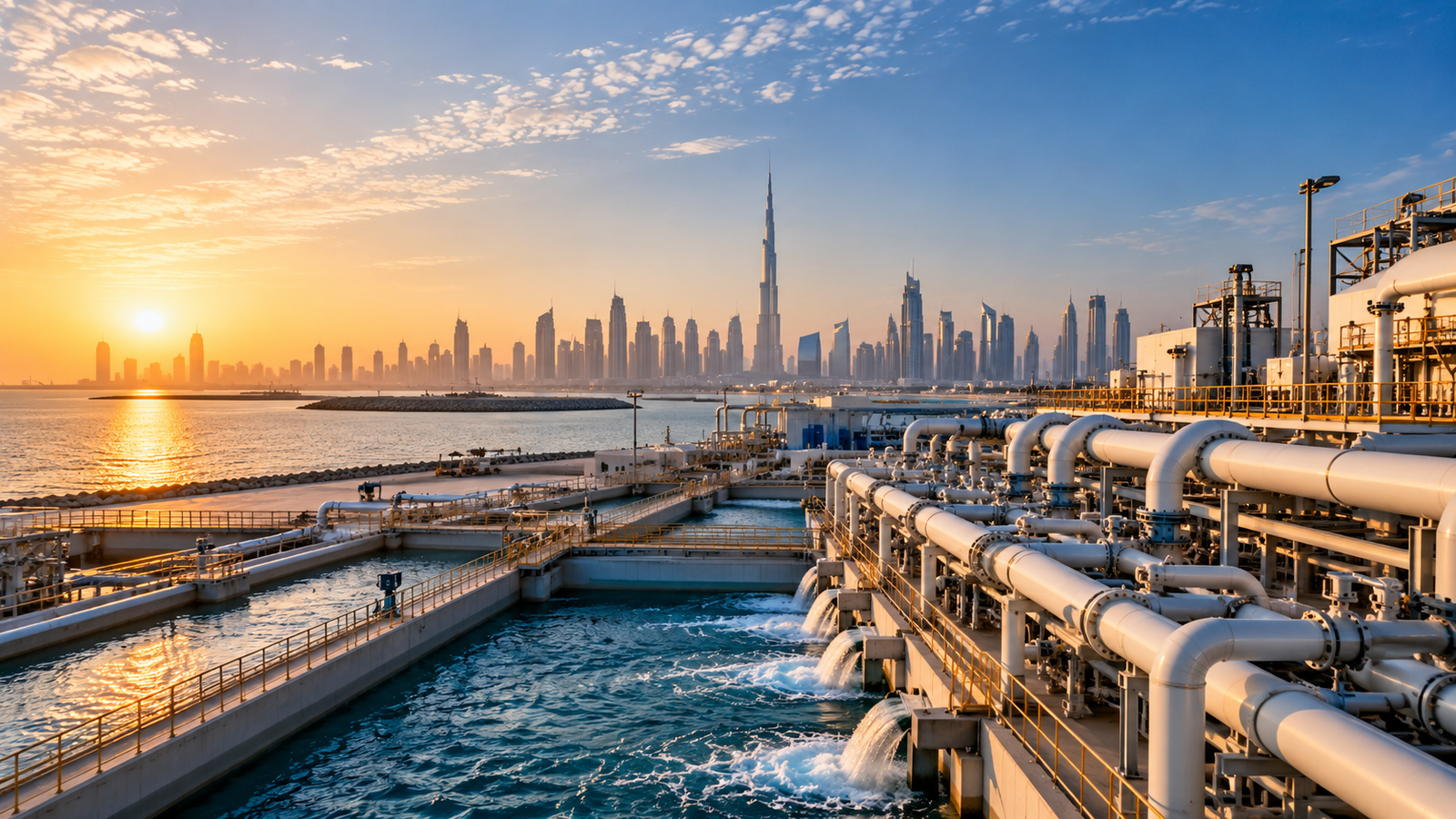
Water and food security will form another major pillar of the summit’s agenda. These issues are particularly important for countries that face water scarcity, high temperatures and challenging agricultural conditions.
The summit will explore technologies and infrastructure that can strengthen water management, improve food production and support climate-resilient food systems. Topics are expected to include more efficient water production, the relationship between energy and water systems, precision agriculture and technologies that help agriculture adapt to changing climatic conditions.
For the UAE, improving water efficiency and maintaining reliable food supplies are important parts of long-term resilience. Sustainable water infrastructure, efficient irrigation and innovative agricultural practices can help reduce resource pressure while supporting economic development.
These discussions also connect environmental sustainability with everyday needs, including access to water, food availability and the efficient use of natural resources.
4. Green Finance: Funding the Transition
Moving from sustainability plans to large-scale implementation requires investment. Renewable energy projects, efficient buildings, modern infrastructure and climate-resilient systems all require financing.
The summit’s Finance pillar will examine how public and private investment can support the green transition. Discussions will cover green bonds, innovative financing mechanisms and approaches that can help attract investment into sustainable projects.
Green finance allows investors and financial institutions to support projects with environmental objectives, while giving businesses and governments additional ways to fund sustainability initiatives. However, projects also need credible planning, transparent reporting and clear assessments of their financial and environmental outcomes.
By bringing together policymakers, financial institutions and investors, the summit aims to encourage partnerships that can help turn sustainability ambitions into projects that can be implemented and expanded.
5. The Role of Artificial Intelligence in a Green Economy
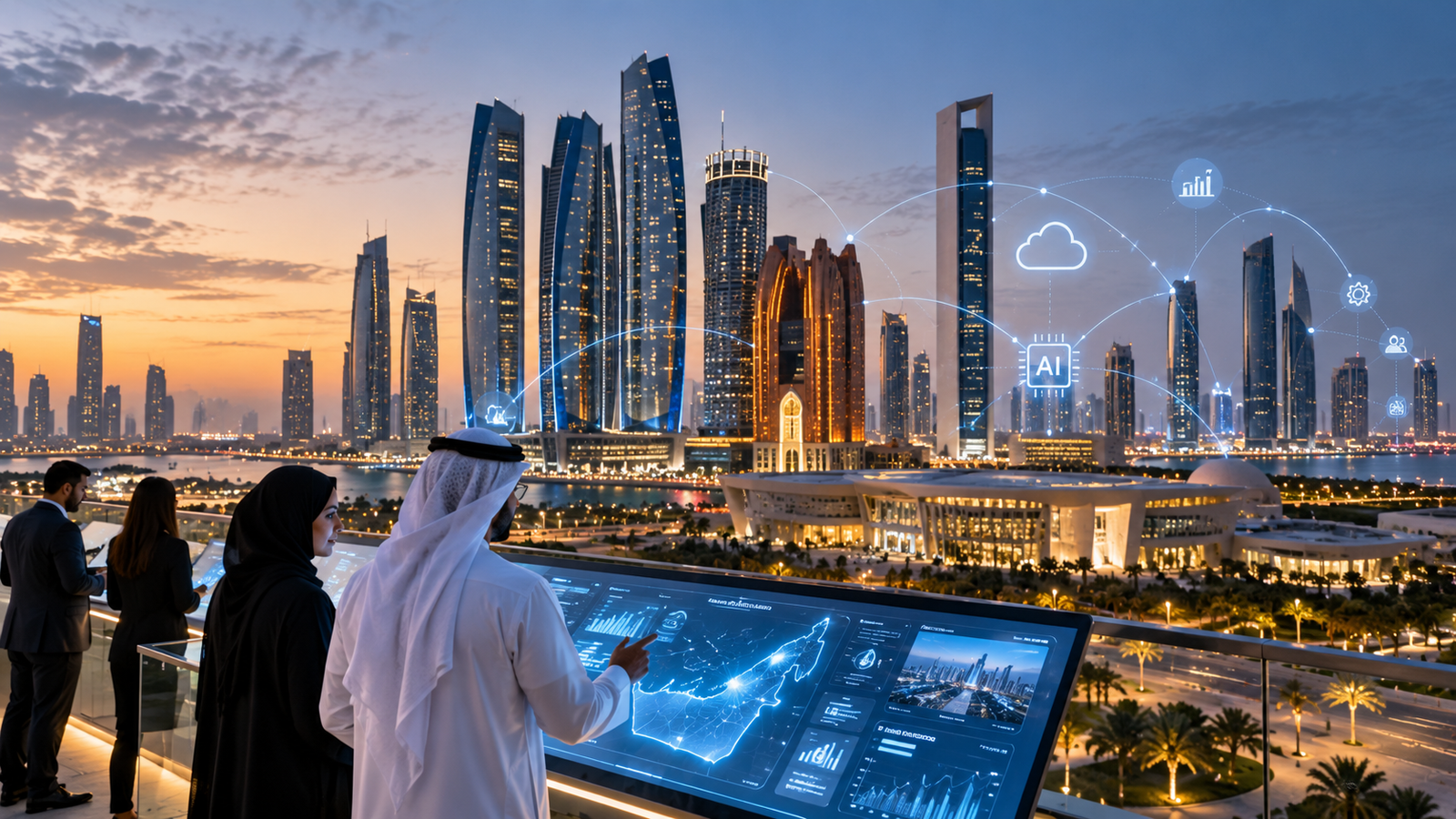
Artificial intelligence is becoming increasingly relevant to sustainability. AI-powered systems can help monitor energy consumption, forecast electricity demand, identify inefficiencies and improve resource management.
In agriculture, AI tools can support precision farming by analysing information about soil conditions, crop health and irrigation requirements. In energy systems, data-driven technologies can help operators forecast demand and manage renewable power more effectively.
However, AI also creates new challenges. Data centres require electricity and cooling, which can increase pressure on energy and water resources as digital infrastructure expands.
The summit will examine how AI can contribute to environmental goals while addressing its own resource requirements. The wider objective is to identify practical ways to use technology to improve efficiency, support climate initiatives and strengthen sustainable infrastructure.
6. Governance, Supply Chains and the Circular Economy
Achieving a green economy requires more than technological innovation. Effective policies, clear regulations and cooperation between governments and businesses are also important.
The summit will address governance frameworks that can help translate sustainability commitments into implementation. Discussions will include the influence of environmental regulations, carbon markets and international climate policies on business and investment decisions.
Supply chains and the circular economy will also feature as cross-cutting themes. A circular economy aims to reduce waste by keeping products and materials in use for longer through reuse, repair, refurbishment and recycling.
For businesses, these approaches can encourage more efficient material use and help reduce dependence on newly extracted resources. For governments, they can support efforts to improve waste management and develop more resource-efficient economic systems.
The summit will explore how these approaches can be expanded across industries to support sustainable growth and stronger economic resilience.
Why the Summit Matters for the UAE
The World Green Economy Summit provides the UAE with a platform to exchange knowledge, strengthen international partnerships and discuss approaches to sustainable economic development.
Its agenda connects several priorities that affect the country’s future, including energy security, water management, food security, technological innovation and investment. These areas are closely linked: for example, expanding digital infrastructure increases the importance of reliable electricity, while sustainable agriculture depends on efficient water use and investment in technology.
For businesses and investors, the summit offers an opportunity to understand emerging sustainability priorities and explore potential areas for collaboration. For policymakers and infrastructure developers, it provides a forum to discuss how successful initiatives can be adapted and implemented at scale.
The summit’s emphasis on moving from success to scale highlights an important challenge for the green economy: developing effective solutions is only one part of the process; making those solutions accessible, financially viable and widely adopted is equally important.
Looking Ahead
As the UAE continues to pursue sustainable economic development, the 12th World Green Economy Summit will bring energy, business, finance, technology and resource security into a shared discussion.
The October 21–22 gathering is expected to focus on practical approaches to expanding clean energy, strengthening sustainable business models, improving water and food security, mobilising green finance and using emerging technologies responsibly.
The outcomes of these discussions will be worth watching as governments and businesses look for ways to balance economic development with environmental responsibility.
**To read more updates on UAE news, business developments, sustainability and technology, visit The Gulf Time.

Subscribe to Our Newsletter
Keep in touch with our news & offers