A major diplomatic escalation has emerged in the ongoing Middle East conflict as Iran formally demands compensation from five Arab nations, accusing them of facilitating US–Israeli military strikes on its territory. The demand, articulated through official diplomatic channels, marks a significant shift from purely military confrontation to legal and geopolitical escalation at the international level.
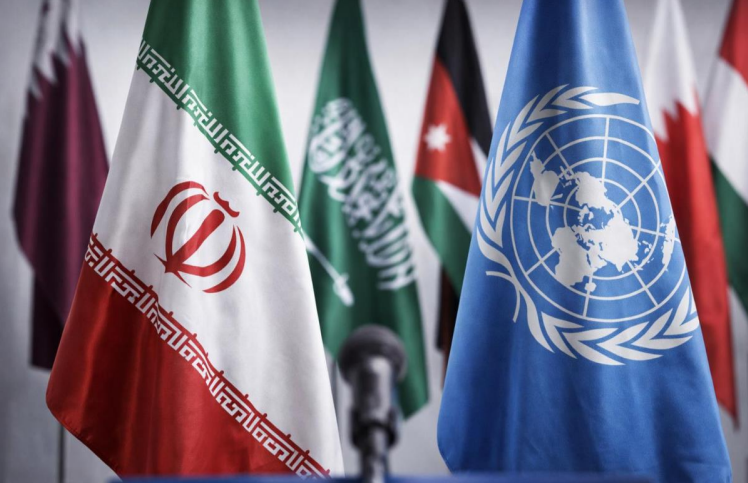
Iran’s Permanent Representative to the United Nations, Amir Saeid Iravani, has submitted a formal communication to the United Nations leadership, alleging that Bahrain, Saudi Arabia, Qatar, the United Arab Emirates, and Jordan enabled foreign military operations against Iran. The complaint asserts that these actions constitute violations of international law and require full reparations.
This development comes amid a fragile ceasefire environment and ongoing diplomatic negotiations following weeks of intense conflict involving the United States, Israel, and Iran. The demand for Iran Gulf compensation signals Tehran’s intent to expand the conflict into legal, economic, and diplomatic arenas, potentially reshaping regional alliances and global geopolitical dynamics.
Diplomatic Accusations and Legal Claims
Iran’s central allegation is that the five Arab states permitted their territory, infrastructure, or airspace to be used for military operations conducted by the United States and Israel. According to Iranian officials, such actions amount to “internationally wrongful acts” under established legal frameworks governing state sovereignty and neutrality.
In his communication to the United Nations, Ambassador Iravani argued that these countries cannot invoke self-defense provisions under Article 51 of the UN Charter, as they were not directly attacked but instead facilitated external aggression. This legal framing is crucial, as it positions Iran’s demand within internationally recognized norms rather than purely political rhetoric.
Iran has further emphasized that Iran Gulf compensation should cover both material and moral damages, including destruction of infrastructure, economic losses, and civilian harm. The scope of the demand reflects the scale of the conflict, which has resulted in extensive damage across Iranian territory following coordinated strikes.
Scale of Conflict and Economic Impact
The demand for reparations is closely linked to the massive economic losses Iran claims to have suffered during the conflict. Iranian estimates suggest that total damages may reach approximately $270 billion, underscoring the scale of destruction caused by sustained airstrikes and military operations.
The conflict, which began with joint US–Israeli strikes targeting Iranian nuclear facilities, military infrastructure, and government assets, has significantly disrupted Iran’s economy. Critical sectors including energy, manufacturing, and transportation have been affected, leading to long-term economic challenges.
Beyond domestic impact, the war has also disrupted regional trade routes, particularly in the Strait of Hormuz, a vital global energy corridor. The resulting instability has contributed to volatility in global oil markets and heightened concerns over supply chain disruptions worldwide.
Regional Reactions and Strategic Implications
The five Arab states named in Iran’s demand have either denied involvement or maintained that any cooperation with international forces was within the framework of their security partnerships. Many of these countries host US military bases or maintain defense agreements with Western allies, complicating the legal and diplomatic landscape.
These nations have also been direct targets of Iranian retaliation during the conflict, including missile and drone strikes on infrastructure and energy facilities. As a result, they argue that their actions were defensive in nature and justified under international law.
The dispute risks deepening divisions within the Gulf region, where countries have historically sought to balance relations between Iran and Western allies. The escalation of legal claims could further strain diplomatic ties and hinder efforts toward regional stability.
Geopolitical and Strategic Escalation
Iran Gulf compensation demand represents a broader strategy to internationalize the conflict and increase pressure on both regional and global actors. By involving the United Nations and framing its claims within international law, Tehran is seeking to shift the narrative from military confrontation to legal accountability.
This move coincides with ongoing diplomatic efforts, including stalled negotiations between the United States and Iran over nuclear and security issues. The lack of progress in these talks has contributed to heightened tensions and increased uncertainty regarding the future of the ceasefire.
At the same time, Iran has signaled that failure to address its demands could prolong hostilities, raising concerns about further escalation. The intersection of legal claims, military tensions, and economic pressures creates a complex and volatile geopolitical environment.
Outlook
Iran Gulf compensation from five Arab states marks a significant turning point in the current Middle East conflict, highlighting the transition from military confrontation to legal and diplomatic escalation. By seeking reparations, Tehran is not only addressing wartime damages but also challenging the broader regional security architecture.
In the short term, the response of the accused states and the international community will be critical in determining whether the dispute escalates further or moves toward negotiation. The involvement of the United Nations introduces a formal platform for addressing these claims but also raises the stakes of the conflict.
Looking ahead, the situation underscores the growing complexity of modern warfare, where conflicts extend beyond the battlefield into economic, legal, and diplomatic domains. As tensions persist, the outcome of this dispute could have far-reaching implications for regional stability, international law, and global energy security.