The Strait of Hormuz blockade, one of the world’s most critical maritime chokepoints, has effectively been brought to a standstill, disrupting global shipping and triggering a severe energy and economic shock.
The ongoing conflict involving Iran and Western-aligned forces has led to restrictions, attacks, and heightened security threats that have drastically reduced maritime traffic through the narrow waterway. Recent reports indicate that the Hormuz blockade has removed up to 15 million barrels per day, nearly 15% of global oil supply from the market, making it one of the largest disruptions in modern energy history.
The strait typically handles around 20% of global oil and a significant share of liquefied natural gas (LNG), making it indispensable to international trade and energy security. The current disruption has caused tanker traffic to collapse, with many vessels either stranded or rerouted to alternative, longer routes. Insurance costs have surged, and major shipping companies have suspended operations due to safety concerns.
This development represents a turning point in the ongoing geopolitical crisis, transforming a regional conflict into a global economic event. As the Hormuz blockade persists, its effects are being felt across industries, markets, and nations, highlighting the fragility of global trade networks.
Strategic Importance of the Strait of Hormuz
The Strait of Hormuz blockade is widely regarded as the most important oil transit chokepoint in the world, connecting the Persian Gulf with the Arabian Sea and global shipping routes. Countries such as Saudi Arabia, the United Arab Emirates, Kuwait, Iraq, and Qatar rely heavily on this route to export energy resources to international markets.
In normal conditions, the strait facilitates the movement of tens of millions of barrels of oil daily, along with substantial volumes of LNG and other commodities. Its narrow geography and high traffic density make it both strategically valuable and inherently vulnerable to disruption.
The current Hormuz blockade underscores the strategic leverage held by nations controlling or influencing this passage. By restricting access, Iran has effectively demonstrated its ability to disrupt global energy flows, reshaping geopolitical calculations and forcing major powers to reassess their strategies.
Scale and Mechanics of the Blockade
The disruption in the Strait of Hormuz blockade is not the result of a single action but rather a combination of coordinated military and strategic measures. These include missile and drone attacks on vessels, naval patrols enforcing restrictions, and the deployment of sea mines and electronic interference systems that make navigation hazardous.
As a result, maritime traffic has declined dramatically. In some periods, only a handful of ships have been able to pass through the strait under strict conditions, often requiring prior authorization and avoiding affiliations with certain countries. This selective access has created a quasi-blockade, where shipping is not entirely halted but severely constrained.
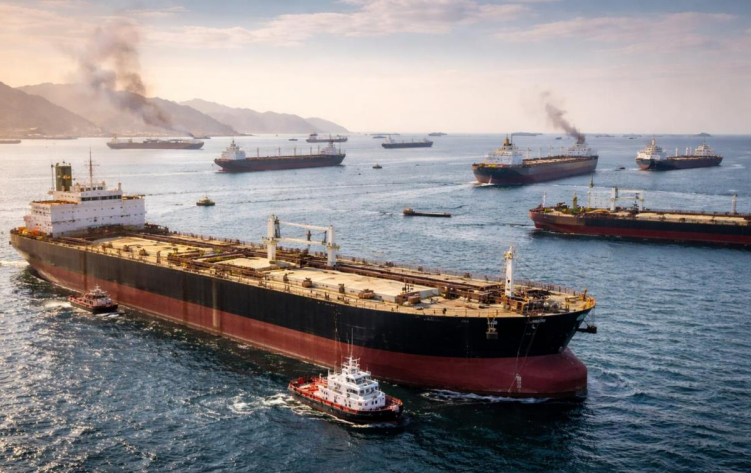
The Hormuz blockade has also led to a backlog of vessels waiting outside the strait, with over a hundred ships reported to be anchored in surrounding waters. Shipping companies have adopted risk-avoidance strategies, including rerouting vessels and suspending operations, further amplifying the disruption.
Global Energy Market Impact
The immediate consequence of the Hormuz blockade has been a sharp rise in global energy prices. Oil prices have surged to around $110–$120 per barrel, reflecting fears of prolonged supply shortages and heightened geopolitical risk.
The disruption has affected not only crude oil but also LNG and petrochemical supplies, leading to broader inflationary pressures. Industries reliant on energy—such as transportation, manufacturing, and agriculture—are experiencing rising costs, which are being passed on to consumers.
Efforts by oil-producing nations to offset the supply shortfall have been limited. OPEC+ has announced modest production increases, but these measures are insufficient compared to the scale of disruption. As a result, markets remain highly volatile, with prices reacting sharply to any developments in the conflict.
Impact on Global Trade and Supply Chains
Beyond energy markets, the blockade has significantly disrupted global trade and supply chains. The Strait of Hormuz is a key route not only for oil but also for a wide range of goods, including food, chemicals, and industrial materials.
Shipping delays and rerouting have increased transit times by 10 to 14 days for many routes, particularly those diverted around the Cape of Good Hope. This has led to higher freight costs, congestion at ports, and delays in delivery schedules.
Humanitarian supply chains have also been affected. Aid organizations report delays in the delivery of food, medicine, and essential supplies, with millions of people in vulnerable regions facing increased hardship. The disruption is being described as one of the most severe since the COVID-19 pandemic.
Geopolitical and Strategic Implications
The blockade has intensified geopolitical tensions, with major powers considering military and diplomatic responses. The United States has warned of potential strikes on Iranian infrastructure if the strait is not reopened, signaling the risk of further escalation.
At the same time, regional actors and international organizations are exploring diplomatic solutions to de-escalate the situation. However, the complexity of the conflict and the involvement of multiple stakeholders make a quick resolution unlikely.
The crisis has also highlighted the limitations of existing security frameworks for protecting global shipping routes. Previous efforts to secure maritime corridors, such as those in the Red Sea, have faced significant challenges, raising questions about the feasibility of reopening Hormuz through military means alone.
Outlook
The effective blockade of the Strait of Hormuz marks one of the most significant disruptions to global trade and energy systems in recent history. By choking a critical artery of international commerce, the crisis has exposed the vulnerabilities of a highly interconnected global economy.
In the short term, markets and policymakers will remain focused on developments in the region, particularly any signs of de-escalation or reopening of the strait. The trajectory of oil prices, supply chains, and economic stability will depend heavily on these developments.
Looking ahead, the crisis underscores the need for diversification of energy sources and trade routes. As nations seek to reduce dependence on critical chokepoints, investments in alternative infrastructure and strategic reserves are likely to increase. However, until a resolution is reached, the Strait of Hormuz will remain a focal point of global uncertainty and risk.