
Global oil markets witnessed a notable shift in sentiment as prices declined modestly following signals of potential de-escalation in the ongoing U.S.–Iran conflict. In the latest trading session, benchmark crude prices fell by approximately 1%, reversing earlier gains that had been driven by heightened geopolitical tensions across the Gulf region.
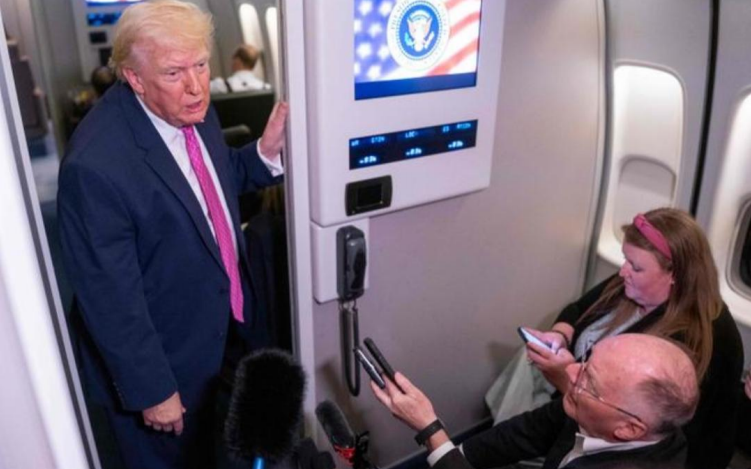
The trigger for this reversal was a report indicating that U.S. President Donald Trump may be open to ending military operations against Iran, even without immediate restoration of oil flows through the strategically vital Strait of Hormuz. This marked a significant shift in tone, as previous statements had emphasized escalation and pressure on Iranian energy infrastructure.
Despite the decline, Oil Prices Decline remain elevated compared to pre-conflict levels, reflecting persistent uncertainty in global energy markets. The episode highlights the extent to which geopolitical developments and even preliminary diplomatic signals are shaping short-term price movements in one of the world’s most critical commodities.
Market Reaction and Price Movements
The immediate market response to the de-escalation signals was swift and visible across both Brent crude and U.S. West Texas Intermediate (WTI) benchmarks. Brent crude futures dropped to approximately $111.56 per barrel, while WTI declined to around $101.90, reflecting a pullback from earlier highs.
This decline followed a period of sustained upward momentum, during which Oil Prices Decline had surged sharply amid fears of supply disruptions. Over the course of March, Brent crude recorded gains of nearly 59%, underscoring the scale of the geopolitical risk premium that had been priced into the market.
Market analysts noted that the latest drop represents a recalibration rather than a reversal of the broader trend. While de-escalation hopes have eased immediate concerns, traders remain cautious, with volatility expected to persist as the situation evolves and further policy signals emerge.
Role of Geopolitical Signals in Oil Pricing
The current episode underscores the powerful influence of political developments on energy markets. Statements and policy signals from key actors, particularly the United States, are now acting as primary drivers of short-term price movements.
Reports suggesting that President Trump is considering ending the military campaign have reduced the immediate risk of further supply disruptions, leading to a partial unwinding of the war-driven price premium. However, markets remain highly sensitive to any changes in rhetoric, reflecting the fragile nature of the current equilibrium.
At the same time, mixed messaging from Washington—including earlier threats to target Iranian energy infrastructure—continues to contribute to uncertainty. This dual dynamic of escalation and de-escalation signals has created a volatile environment in which Oil Prices Decline react sharply to even incremental developments.
Persistent Supply Risks and Structural Constraints
Despite the recent price dip, underlying supply risks remain significant. The Strait of Hormuz, a critical chokepoint through which roughly 20% of global oil supply flows, continues to face disruptions, limiting the movement of crude shipments.
The closure and partial blockage of this route have already had a profound impact on global energy markets, contributing to earlier price surges and forcing countries to explore alternative shipping routes. Saudi Arabia, for instance, has rerouted some exports through Red Sea ports to mitigate risks.
Additionally, recent attacks on oil tankers and infrastructure in the Gulf have further complicated the supply outlook. Even if hostilities were to ease, restoring normal shipping operations and repairing damaged infrastructure could take time, prolonging market instability.
Broader Economic and Market Implications
The fluctuations in oil prices are having ripple effects across global financial markets and economies. Rising energy costs have already contributed to inflationary pressures, with fuel prices increasing significantly in major economies such as the United States.
Higher Oil Prices Decline translate into increased transportation and production costs, affecting industries ranging from manufacturing to logistics. This, in turn, impacts consumer prices and purchasing power, raising concerns about slower economic growth and potential stagflation.
Financial markets have also responded to the volatility, with equity indices and currency markets reacting to changes in oil prices and geopolitical developments. The interplay between energy markets and broader economic indicators highlights the central role of oil in shaping global economic stability.
Conclusion
The recent Oil Prices Decline reflects a temporary easing of geopolitical tensions rather than a fundamental resolution of underlying risks. While signals from Washington have introduced the possibility of de-escalation, the situation remains fluid, with multiple factors continuing to influence market dynamics.
In the near term, oil markets are likely to remain highly volatile, responding to both diplomatic developments and on-the-ground realities in the Gulf region. The extent to which supply routes can be stabilized, particularly through the Strait of Hormuz, will play a decisive role in determining price trends.
Looking ahead, the episode underscores the vulnerability of global energy markets to geopolitical shocks. As the world navigates an increasingly uncertain landscape, the balance between conflict and diplomacy will remain a critical determinant of economic stability and energy security.