Across the Gulf region, a complex and multi-dimensional crisis is unfolding as governments attempt to restore stability while confronting simultaneous military, economic, and environmental pressures.
Despite continued geopolitical tensions and sporadic threats, countries such as Qatar have begun cautiously resuming daily activities, including reopening schools and workplaces, signaling a strategic effort to project normalcy. This shift reflects not an end to instability, but a calculated response to manage public confidence amid uncertainty.
At the same time, Gulf nations remain deeply exposed to the broader regional conflict, particularly the ongoing confrontation involving Iran and Western allies. Missile threats, drone activity, and heightened military presence continue to shape the security environment, creating a persistent backdrop of risk. Leaders across the Gulf have repeatedly warned that escalation could trigger widespread disruption, affecting not only national security but also critical infrastructure and global energy flows.
The situation is further complicated by non-military challenges, including economic volatility and environmental disruptions. Severe weather patterns, including dust storms and flash floods, have added to operational difficulties, highlighting the region’s vulnerability to overlapping crises.
Together, these factors define a moment of strategic strain, where Gulf states must balance resilience with caution in navigating an increasingly uncertain landscape.
Return to Normalcy Amid Lingering Threats
One of the most striking developments has been the cautious return to normalcy in parts of the Gulf, particularly in Qatar. Authorities have encouraged the reopening of institutions and resumption of routine activities following a temporary lull in direct attacks. This move reflects a deliberate effort to stabilize domestic conditions and maintain economic continuity despite unresolved security concerns.
However, this return to normalcy remains fragile. The absence of immediate attacks does not equate to long-term security, and governments continue to operate under heightened alert. Defense systems remain active, and contingency plans are in place to respond to any sudden escalation.
This dual approach—resuming normal life while preparing for crisis—underscores the complexity of governance in the current environment.
Public sentiment also plays a crucial role in shaping policy decisions. Authorities are aware that prolonged disruption could erode confidence and impact economic activity. By signaling stability, governments aim to reassure both citizens and investors, even as underlying risks persist. The balancing act between perception and reality has become a defining feature of the region’s response.
Military Pressures and Strategic Uncertainty
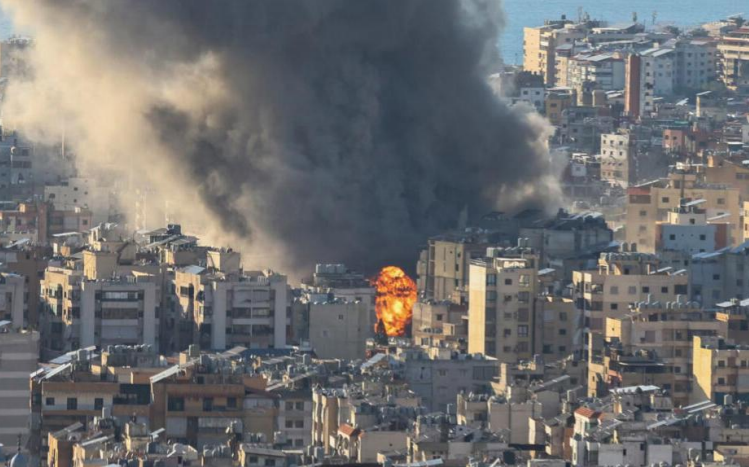
The Gulf’s security landscape continues to be dominated by the threat of escalation in the broader Middle East conflict. Reports of missile and drone activity targeting infrastructure across the region have reinforced the perception of a volatile and unpredictable environment.
These threats extend beyond immediate physical damage, affecting strategic planning and regional cooperation.
Gulf states have consistently warned external powers against actions that could intensify the conflict. Their position reflects a recognition that the region would bear the brunt of any escalation, particularly given its concentration of energy infrastructure and strategic trade routes. The Strait of Hormuz, through which a significant portion of global oil supply passes, remains a critical vulnerability.
At the same time, the evolving stance of global powers has introduced additional uncertainty. Shifts in U.S. strategy, including pauses in aggressive posturing, suggest a degree of responsiveness to Gulf concerns. However, the lack of a clear and consistent diplomatic framework continues to complicate efforts to achieve lasting stability, leaving the region in a state of strategic ambiguity.
Economic Volatility and Market Reactions
Economic pressures have emerged as a central dimension of the crisis, with Gulf financial markets reacting sharply to geopolitical developments. Investor sentiment has been significantly affected by uncertainty surrounding conflict escalation and diplomatic outcomes.
Major indices across the region have experienced declines, reflecting broader concerns about economic stability.
The energy sector, a cornerstone of Gulf economies, faces particular challenges. Rising oil prices, driven by fears of supply disruption, have created both opportunities and risks. While higher prices can boost revenues, they also signal instability and can disrupt global demand patterns.
The interconnected nature of energy markets means that regional tensions have far-reaching implications beyond the Gulf.
Additionally, disruptions to trade and logistics have compounded economic difficulties. Shipping routes, particularly through the Strait of Hormuz, remain vulnerable to interference, raising costs and affecting supply chains. These factors contribute to a broader environment of economic uncertainty, requiring careful policy management to mitigate potential fallout.
Environmental and Infrastructure Challenges
Beyond military and economic pressures, environmental factors have added another layer of complexity to the Gulf’s crisis. Severe weather events, including dust storms and flash floods, have disrupted daily life and strained infrastructure systems.
These challenges highlight the region’s exposure to climate-related risks, which can exacerbate existing vulnerabilities.
The impact of such events extends beyond immediate damage, affecting transportation, energy production, and public safety. In a region already dealing with heightened security concerns, the additional burden of environmental disruptions complicates response efforts and resource allocation. Governments must therefore address multiple crises simultaneously, often with limited flexibility.
Infrastructure resilience has become a critical priority in this context. Ensuring the continuity of essential services, from energy supply to transportation networks, is vital for maintaining stability. Investments in climate adaptation and disaster preparedness are increasingly seen as integral components of national security strategies.
Outlook
The Gulf region stands at a critical juncture, facing a convergence of challenges that test its resilience and strategic adaptability.
The push for stability, exemplified by efforts to restore normalcy, reflects a broader determination to navigate uncertainty without succumbing to disruption. Yet, the persistence of military threats, economic volatility, and environmental risks underscores the fragility of this balance.
In the near term, the trajectory of the crisis will depend on the interplay between diplomatic efforts and on-ground realities. A credible and sustained de-escalation process could provide much-needed relief, while continued instability may deepen existing pressures. Gulf states are likely to remain cautious, prioritizing both security and economic continuity in their policy responses.
Looking ahead, the current situation may redefine the region’s strategic outlook. The experience of managing a multi-layer crisis could accelerate efforts toward greater self-reliance, enhanced regional cooperation, and diversified economic models.
As the Gulf navigates this complex landscape, its ability to adapt will shape not only its own future but also its role in the broader global order.