A dangerous new dimension has emerged in the escalating Gulf conflict as Iran has issued explicit warnings that desalination threat plants and water infrastructure across Gulf countries could become targets in retaliation to potential attacks on its own energy and power systems. This development marks a critical shift from conventional energy-focused warfare to threats against civilian life-support infrastructure, raising alarm among policymakers, humanitarian agencies, and global markets.
The gravity of the threat lies in the Gulf region’s overwhelming dependence on desalination threat technology for freshwater. Countries such as Saudi Arabia, Kuwait, the United Arab Emirates, and Qatar derive between 70% and 90% of their drinking water from desalination plants, making these facilities not just economic assets but lifelines for millions of people.
Iran’s warning, framed as retaliation against potential U.S. strikes on its own infrastructure, has significantly heightened fears of a broader regional crisis. Analysts suggest that targeting water systems could trigger immediate humanitarian consequences, economic disruption, and geopolitical escalation, potentially transforming the conflict into one of the most dangerous phases seen in the region in decades.
Strategic Importance of Desalination Infrastructure
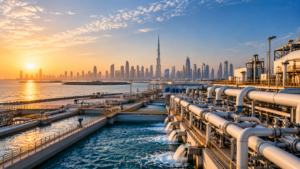
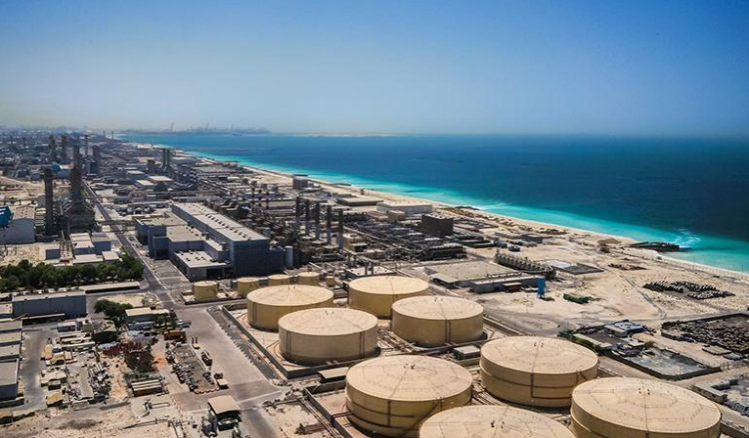
Desalination threat plants form the backbone of water security in the Gulf, a region characterised by arid climates, limited freshwater reserves, and heavy urban dependence on engineered water systems. Unlike many parts of the world where rivers and groundwater provide reliable sources, Gulf nations rely on large-scale desalination facilities to convert seawater into potable water through energy-intensive processes such as reverse osmosis.
The concentration of these facilities along coastal areas makes them particularly vulnerable to missile and drone attacks. Their proximity across the Persian Gulf places them within relatively short striking distance, increasing their exposure in a conflict scenario. This geographic vulnerability has long been recognised by strategic analysts, but recent developments suggest that such risks are no longer theoretical.
Beyond domestic consumption, desalination threat infrastructure also supports industrial activity, power generation, and urban sustainability. Any disruption to these systems would therefore have cascading effects across sectors, impacting not only daily life but also economic productivity and national stability. The centrality of water infrastructure to both civilian and industrial ecosystems underscores the magnitude of the threat currently facing the region.
Recent Attacks and Escalation Dynamics
The current crisis is not merely hypothetical; it is grounded in a series of recent incidents that have already brought water infrastructure into the conflict zone. Reports indicate that a desalination plant in Bahrain was damaged following a drone strike, marking one of the first instances where such facilities have been directly targeted in the ongoing conflict.
Similarly, Iran has accused the United States of striking a desalination facility on Qeshm Island, an incident that reportedly disrupted water supply to multiple villages. Iranian officials have cited this attack as justification for their warning that similar retaliation could be directed toward Gulf nations, framing the escalation as a reciprocal response rather than a unilateral move.
These developments highlight a dangerous pattern of escalation, where critical civilian infrastructure is increasingly being drawn into military calculations. Analysts warn that such actions could set a precedent, lowering the threshold for future attacks and expanding the scope of the conflict beyond traditional military targets. This shift raises profound concerns about compliance with international humanitarian law, which explicitly protects water systems from deliberate targeting.
Humanitarian Risks and Civilian Impact
The potential consequences of attacks on desalination plants are severe and immediate. Gulf countries typically maintain only a few days to a week’s worth of freshwater reserves, meaning that any disruption to production could lead to rapid shortages. Hospitals, schools, and essential services would face immediate operational challenges, while households could experience acute water scarcity within days.
The humanitarian implications extend beyond immediate shortages. Water insecurity could trigger public health crises, including the spread of disease due to lack of sanitation and hygiene. In densely populated urban centres, the sudden collapse of water supply systems could lead to panic, displacement, and social unrest, placing additional strain on already stressed governance systems.
Moreover, the economic consequences of such disruptions would be equally significant. Industries reliant on water including energy production, manufacturing, and agriculture—would face shutdowns, leading to broader economic contraction. The interconnected nature of water, energy, and food systems in the Gulf amplifies the potential for a systemic crisis, making the threat to desalination infrastructure one of the most serious risks in the current conflict.
Geopolitical and Economic Implications
The targeting of water infrastructure represents a fundamental escalation in the nature of the Gulf conflict, shifting it toward what analysts describe as “infrastructure warfare.” This approach seeks to undermine not only military capabilities but also the economic and social foundations of adversaries, increasing the overall impact of the conflict.
From a geopolitical perspective, the threat has prompted strong reactions from Gulf states and international actors. Governments in the region have warned that any attack on desalination facilities could have catastrophic consequences, potentially drawing additional countries into the conflict. The risk of escalation is further heightened by the involvement of global powers and the strategic importance of the Gulf to international energy markets.
Economically, the implications extend far beyond the region. The Gulf is a critical hub for global energy supply, and disruptions to its infrastructure could trigger volatility in oil and gas markets. Coupled with the potential collapse of water systems, such developments could exacerbate inflationary pressures, disrupt trade, and impact global economic stability. The convergence of energy and water crises therefore presents a complex and far-reaching challenge for policymakers worldwide.
Outlook
Iran’s warning regarding potential strikes on Gulf desalination threat plants marks a pivotal moment in the evolution of the ongoing conflict, signalling a shift toward targeting infrastructure that sustains civilian life. The implications of such a move extend beyond military considerations, encompassing humanitarian, economic, and geopolitical dimensions that could reshape the region’s future.
In the immediate term, the focus will be on preventing further escalation and protecting critical infrastructure. Diplomatic efforts, enhanced security measures, and international coordination will be essential in mitigating risks and ensuring the continuity of essential services. However, the fragility of the current situation underscores the urgency of addressing underlying tensions through sustained dialogue and conflict resolution.
Looking ahead, the crisis highlights the growing importance of resilience in critical infrastructure systems. As conflicts increasingly target economic and civilian assets, countries will need to invest in diversification, redundancy, and protection mechanisms to safeguard essential services. The threat to Gulf water infrastructure serves as a stark reminder of the vulnerabilities inherent in modern societies and the profound consequences of their disruption.