Antonio Guterres Calls for Urgent Ceasefire
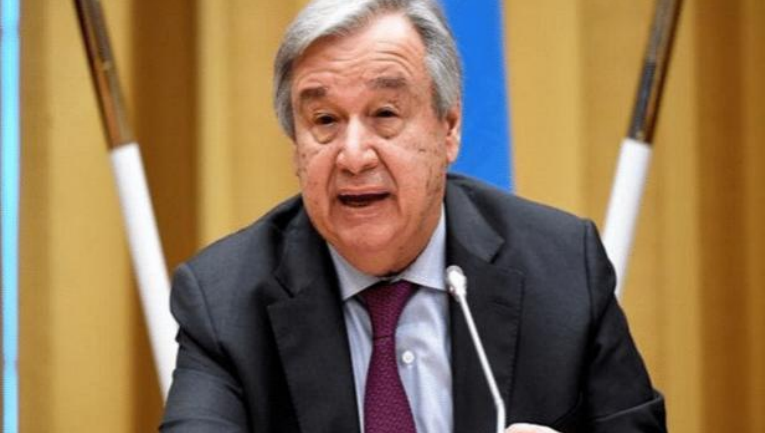
United Nations Secretary-General Antonio Guterres has issued one of his strongest condemnations yet of Israel’s ongoing military offensive in Gaza Offensive Ceasefire, labeling it “morally, politically and legally intolerable.” Speaking from UN headquarters in New York, Guterres criticized the prolonged absence of a ceasefire and highlighted the escalating humanitarian toll the conflict is exacting on civilians.
The statement comes as Israel’s ground operations in Gaza Offensive Ceasefire City intensify, with military officials signaling that the campaign could continue for several months. International observers warn that the longer the offensive lasts, the deeper the humanitarian crisis will become.
Ground Operations Escalate in Gaza
Israel has confirmed the launch of full-scale ground operations in Gaza City, targeting Hamas’ leadership and military infrastructure. Israeli officials insist the campaign is necessary to neutralize security threats, but humanitarian groups argue that the strategy is creating disproportionate suffering for civilians.
According to reports, entire neighborhoods in Gaza have been reduced to rubble, with schools, hospitals, and UN shelters struggling to provide basic services. The rising civilian death toll has prompted renewed calls from aid agencies for an immediate cessation of hostilities.
Humanitarian Consequences Worsen
The humanitarian situation in Gaza Offensive Ceasefire is deteriorating rapidly. With power supplies disrupted and fuel shortages crippling critical infrastructure, residents are facing severe shortages of water, medicine, and electricity.
The UN’s Office for the Coordination of Humanitarian Affairs (OCHA) has warned that conditions could reach catastrophic levels unless relief corridors are established immediately.
Guterres stressed that the current trajectory of the conflict risks a full-scale humanitarian disaster.
“This is not only a military confrontation,” he said. “It is a crisis that is tearing apart the social fabric of Gaza Offensive Ceasefire and leaving generations traumatized.”
European Leaders Voice Alarm
European leaders have echoed the UN chief’s concerns. The European Union’s foreign policy chief, Josep Borrell, expressed alarm over the scale of destruction in Gaza and emphasized that indiscriminate attacks against civilian populations cannot be justified under international law.
Several EU member states have called for an emergency summit to discuss coordinated action, including potential sanctions or diplomatic pressure to push for a ceasefire. Germany and France have underscored the need for humanitarian access, while Ireland and Spain have been particularly vocal in demanding accountability for civilian casualties.
Diplomatic Deadlock at the UN
Efforts to secure a ceasefire resolution at the UN Security Council remain stalled. Veto powers have clashed over wording related to Israel’s right to self-defense versus the need to protect Palestinian civilians.
This deadlock has further fueled frustrations among humanitarian organizations, who argue that political paralysis at the international level is costing lives on the ground.
Guterres has urged member states to rise above geopolitical divides and act in the interest of human dignity:
“The Security Council cannot remain a bystander while Gaza burns.”
Regional Repercussions and Rising Tensions
The Gaza offensive is also inflaming tensions across the Middle East. Protests have erupted in several Arab capitals, with demonstrators demanding stronger action from their governments.
Egypt and Jordan have warned that the conflict risks destabilizing the broader region, while Qatar has intensified mediation efforts to broker a truce.
Iran has also weighed in, condemning Israel’s actions and pledging continued support for Palestinian factions. Analysts caution that the conflict could expand if regional actors become more directly involved, raising the stakes for both diplomacy and security.
Calls for Accountability and Justice
Human rights organizations are increasingly pressing for investigations into possible violations of international humanitarian law. Amnesty International and Human Rights Watch have documented cases where civilian infrastructure was struck, calling for accountability mechanisms to be put in place.
The International Criminal Court (ICC) is monitoring the situation closely, though no formal investigation has yet been announced. Advocacy groups argue that without accountability, cycles of violence and impunity will continue to repeat.
Conclusion: A Crisis Demanding Global Action
The UN Secretary-General’s stark condemnation of Israel’s Gaza offensive underscores the urgency of the crisis. With ground operations intensifying, civilian suffering mounting, and international diplomacy at a standstill, the conflict threatens to spiral further out of control.
As the humanitarian consequences deepen, pressure is growing on world powers to act decisively. Whether through ceasefire negotiations, humanitarian aid corridors, or accountability mechanisms, the international community faces a defining test of its commitment to peace and justice.
The weeks ahead will determine not only Gaza’s future but also the credibility of global institutions tasked with upholding international law and protecting human life.