UAE Leads Diplomatic Response to Doha Strike
The United Arab Emirates has strongly condemned the recent Israeli airstrike in Doha, Qatar, which targeted senior Hamas officials, sparking renewed concerns about regional security and sovereignty in the Gulf. The UAE condemns Israeli airstrike government summoned Israel’s deputy envoy in Abu Dhabi to deliver a formal protest, calling the strike a “blatant and cowardly violation” of Qatar’s sovereignty.
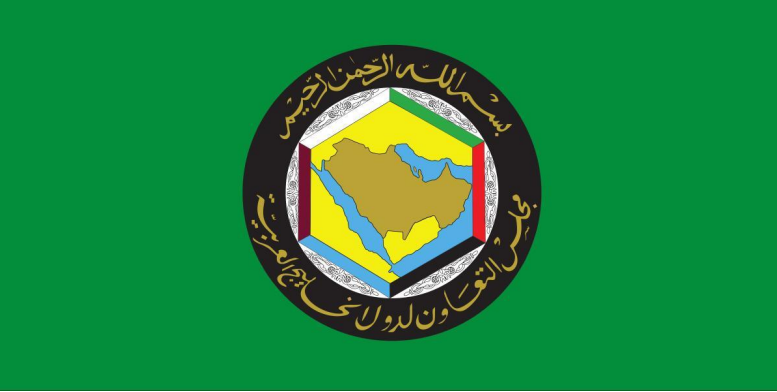
This diplomatic step marks the UAE’s growing role as a key mediator and defender of Gulf Cooperation Council (GCC) unity, particularly at a time when tensions across the Middle East are escalating.
Condemnation of Israel’s Actions
In its official statement, the UAE emphasized that the airstrike not only endangered Qatar’s sovereignty but also undermined regional stability. The UAE reiterated that unilateral military actions taken without regard to international law or neighboring states’ sovereignty set a dangerous precedent in the region.
By summoning Israel’s deputy envoy, the UAE made it clear that such actions are unacceptable and that Gulf states must present a unified stance against external violations. The condemnation is consistent with the UAE’s long-standing call for de-escalation, adherence to international law, and diplomatic dialogue in addressing security threats.
Gulf Solidarity Takes Center Stage
Following the incident, UAE President Sheikh Mohammed bin Zayed Al Nahyan embarked on a diplomatic tour across GCC states. The primary goal was to consolidate regional positions, reinforce security cooperation, and align diplomatic strategies in response to the growing threats in the region.
During these consultations, Gulf leaders underscored the need for collective action. The UAE highlighted that unity among GCC members is not only vital for immediate security concerns but also crucial for safeguarding economic stability, trade routes, and energy supplies that the global economy relies upon.
Qatar’s Sovereignty and Regional Security
The UAE’s response also reflects a broader concern for regional security beyond bilateral relations with Qatar. By defending Qatar’s sovereignty, the UAE signaled its commitment to protecting all Gulf states from violations by external actors.
This diplomatic solidarity is particularly significant because of the GCC’s renewed efforts to strengthen coordination on defense, intelligence sharing, and crisis management. By elevating Qatar’s case to a collective regional issue, the UAE condemns Israeli airstrike has reinforced the principle that security in the Gulf must be indivisible.
International Reactions and Implications
The Israeli strike in Qatar has drawn international scrutiny, with many global powers calling for restraint and respect for sovereignty. The UAE’s strong diplomatic stance has been noted as an important signal to the wider international community that Gulf nations will not tolerate violations of territorial integrity.
Analysts suggest that the UAE’s actions may also be aimed at encouraging greater international involvement in de-escalating regional tensions. By positioning itself at the forefront of diplomatic resistance, the UAE has further solidified its reputation as a regional leader advocating stability.
The GCC’s Path Forward
Looking ahead, the UAE and its Gulf partners are expected to explore additional steps to deter further violations. These could include coordinated diplomatic campaigns at the United Nations, joint security exercises, and strengthened defense agreements.
The GCC has historically faced challenges in maintaining cohesion, but moments of external threat have often spurred unity. The UAE’s initiative could help reinvigorate the bloc’s role as a collective defense and diplomatic entity.
Balancing Diplomacy and Security
While the UAE condemns Israeli airstrike has voiced strong condemnation, it has also maintained its call for diplomatic solutions to regional conflicts. Officials stressed that military escalations only worsen instability and open the door for extremist groups to exploit divisions.
The UAE condemns Israeli airstrike continues to balance its pragmatic diplomacy—often involving direct engagement with multiple sides—with its commitment to the principles of sovereignty and non-interference. This balance allows it to position itself as both a mediator and a defender of Gulf interests.
Conclusion: UAE at the Forefront of Gulf Diplomacy
The Israeli airstrike in Qatar has become more than a bilateral issue; it has turned into a test of Gulf solidarity and sovereignty. The UAE’s swift and firm response underscores its growing role as a regional leader committed to defending the rights of its neighbors and strengthening GCC unity.
As Sheikh Mohammed bin Zayed’s Gulf tour demonstrates, the UAE condemns Israeli airstrike is determined to transform this crisis into an opportunity to enhance regional cohesion. In doing so, it sends a clear message to both allies and adversaries: the sovereignty of Gulf states is non-negotiable, and their security will be defended collectively.