India’s Call for Speedy Negotiations
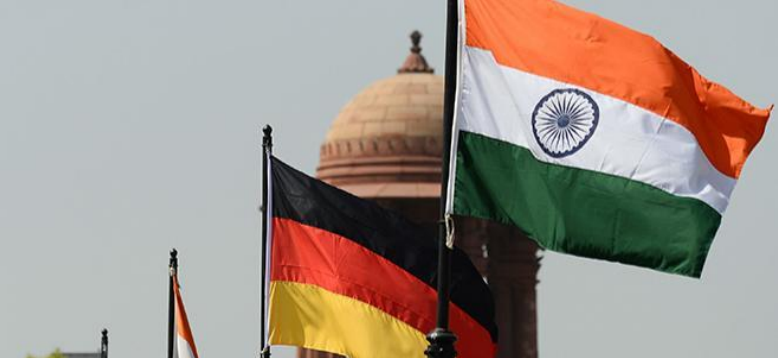
India’s External Affairs Minister has urged Germany to accelerate negotiations for the long-awaited India–EU Free Trade Agreement (FTA), citing its potential to act as a stabilizing force in today’s volatile global economy. Speaking at a bilateral forum, the minister emphasized that a timely conclusion of the agreement would not only enhance trade and investment ties but also reinforce global supply chains and economic resilience.
India and the European Union have been in talks over a comprehensive FTA for nearly two decades, with discussions restarting in recent years after a long hiatus. Despite significant progress, hurdles remain around tariffs, labor standards, intellectual property rights, and environmental commitments. By appealing to Germany—Europe’s largest economy and a key voice in EU policymaking—India hopes to fast-track the process and unlock new avenues for economic cooperation.
Strengthening Bilateral and Global Ties
India views Germany as a strategic partner in its push for greater integration with the European market. With Germany playing a central role in shaping EU trade policy, New Delhi believes Berlin’s support could be decisive in breaking deadlocks that have slowed negotiations.
The minister underscored that a robust FTA would not just benefit India and the EU but also contribute to global economic stability, especially as nations grapple with trade protectionism, supply chain disruptions, and fluctuating energy prices. The partnership, he argued, could serve as a model for cooperation between developed and emerging economies.
Why the India–EU FTA Matters
The European Union is one of India’s largest trading partners, accounting for nearly 11% of India’s total trade. Meanwhile, India is among the EU’s top emerging trade partners. A free trade agreement could potentially reduce tariffs on a wide range of goods, expand access to services, and encourage technology transfers.
Sectors likely to gain from the deal include:
- Pharmaceuticals and Healthcare: India could boost exports to Europe, offering affordable alternatives in medicine and medical devices.
- Automobiles and Machinery: The EU could expand exports to India’s growing market, particularly in green mobility and industrial equipment.
- Information Technology and Services: Indian IT firms would gain wider access to European clients, enhancing digital cooperation.
- Renewable Energy: Both sides could collaborate in solar, wind, and hydrogen technologies, aligning with their climate goals.
The FTA could also pave the way for increased foreign direct investment (FDI), strengthening India’s position as a global manufacturing hub under its “Make in India” initiative.
Overcoming Challenges in Negotiations
While optimism surrounds the trade talks, challenges persist. The EU has pushed for stricter commitments from India on labor rights, environmental protections, and sustainability standards, areas where consensus has been difficult to reach. Additionally, negotiations on tariffs for sensitive sectors like agriculture, automobiles, and wines remain contentious.
India–EU Free Trade Agreement, on the other hand, seeks greater flexibility and recognition of its developmental priorities. Experts believe that political will on both sides, especially from influential players like Germany, will be crucial to bridging differences and finalizing the agreement.
Global Context and Strategic Importance
The push for an accelerated FTA comes at a time when the global economy faces uncertainty from geopolitical conflicts, rising interest rates, and slowing growth in major markets. A strong trade partnership between India and the EU could help balance supply chain dependencies, promote diversification, and reduce reliance on any single market or region.
Moreover, such an agreement would strengthen India’s role in global trade, giving it more leverage in shaping international economic norms. For the EU, deepening ties with India–EU Free Trade Agreement also serves as a strategic counterbalance to its economic challenges with China and Russia.
Outlook: A Deal with Global Implications
If successfully concluded, the India–EU Free Trade Agreement could be one of the most significant trade deals of the decade. It would not only enhance bilateral commerce but also inject momentum into global trade at a time of growing fragmentation.
India’s call for Germany to take the lead highlights both the urgency and the potential of the agreement. With political determination, mutual concessions, and a shared vision for economic resilience, the FTA could emerge as a landmark deal shaping the future of international trade.